Real systems, not demos.
One system we built for a travel company, the kind of work we take on, and the product we run ourselves.

A travel company
From phone calls and paper to one system.
The business ran on phone enquiries, spreadsheets, paper and what its staff remembered. One automation would not have fixed that: the enquiry, the plan, the itinerary and the booking all depend on each other.
So we built connected pieces that share one set of data. AI helps where there is a lot to read and draft. Staff check, edit and approve everything that goes to a customer.
- BROWSER EXTENSION
- CUSTOM SCREENS
- AI DRAFTS
- HUMAN SIGN-OFF
We do not name clients without their permission, and we do not print numbers we have not measured.
- enquiries
- captured in a browser extension
- one database
- customers, vendors, enquiries
- knowledge
- vendor and destination info in one place
- planning
- AI drafts it, staff edit it
- itineraries
- built, reviewed, approved
- images
- pulled from an approved library
- final call
- always a person


The kind of work
Examples of what we build, not client stories. If one of these sounds like your week, that is the conversation to have.

Distributors
Orders that type themselves in
Orders arrive as emails, PDFs and spreadsheets. We read them, match the parts and prices, flag the odd ones for a person, and enter the rest into your ERP.

Field service
The office and the van, on one page
Jobs, service history and warranty details in one place, so the office and the team on site see the same thing at the same time.

Travel and bookings
From enquiry to itinerary
Enquiries, vendors, plans and itineraries in one connected system, instead of a chain of calls, notes and spreadsheets.

Any team
The spreadsheet nobody dares touch
Approvals, documents and reports that live in inboxes and one person's head, turned into a proper tool the whole team can use.
Desks like yours
Examples, not clients. Anywhere the same thing gets written down twice.

Clinics

Kitchens

Shops

Coaching centres

Rentals
Our own product
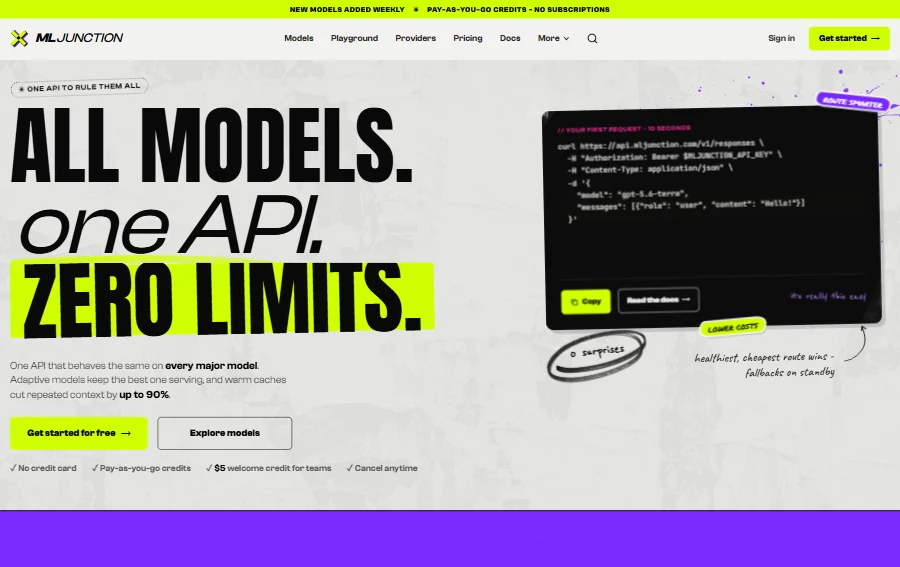
ML Junction
One API in front of many AI model providers. Each request goes to a model that can actually handle it, falls back safely when a provider fails, and comes back with a receipt showing the route it took and what it cost.
Running it every day is how we learned the dull, important work after launch: alerts, failures, upgrades. Client systems get the same care. They only use ML Junction when it is the right tool.
Visit mljunction.com- status
- live, in production
- api
- one, across many providers
- fallback
- only to a model that can do the job
- every request
- route, cost and policy on a receipt
- run by
- us, every day

What would
yours look like?
Tell us how one process runs today, from the moment it starts to the moment it is done. We will sketch what the software version could be.