Faulty parts, caught by a camera.
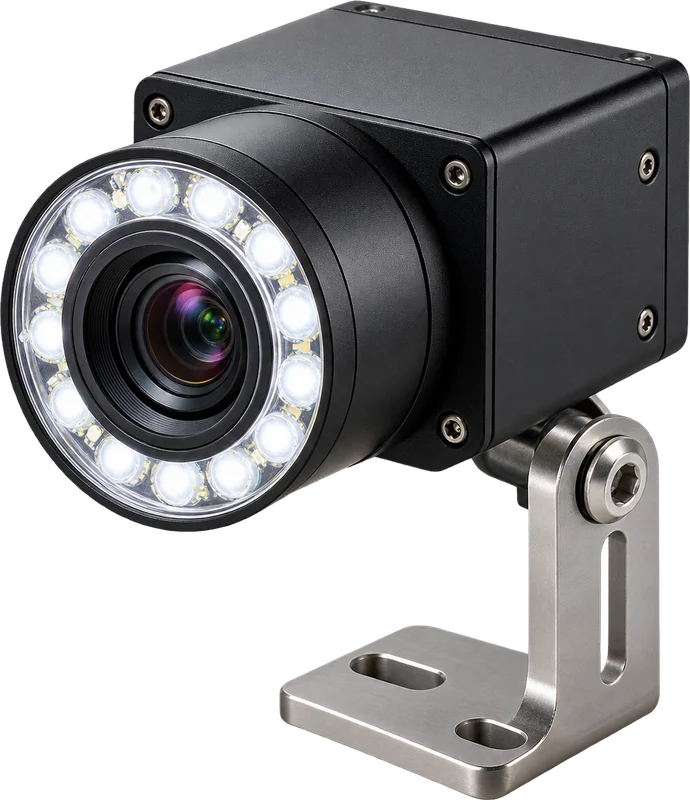
A camera watches the line and AI spots scratches, dents, missing parts and wrong labels as pieces pass, so bad ones are stopped at the line and not found by your customer.
Sound familiar?
- 1
Checking by eye gets tired by the end of a long shift.
- 2
A bad batch is found by the customer, not by you.
- 3
Nobody can say which machine or shift the defects came from.
Watch it happen.
Camera on line 2, 10:42 am
- Piece 1181
- Piece 1182
- Piece 1183
- Piece 1184
- Piece 1185
What the AI saw
- Piece 1183Scratch on the face. Pushed aside, photo saved.
- Piece 1185Label missing. Pushed aside, photo saved.
- The other threeGood. On to packing.
Every piece checked. Not a sample.
A made-up example. Yours would use your own orders, systems and names.
How it works.
First
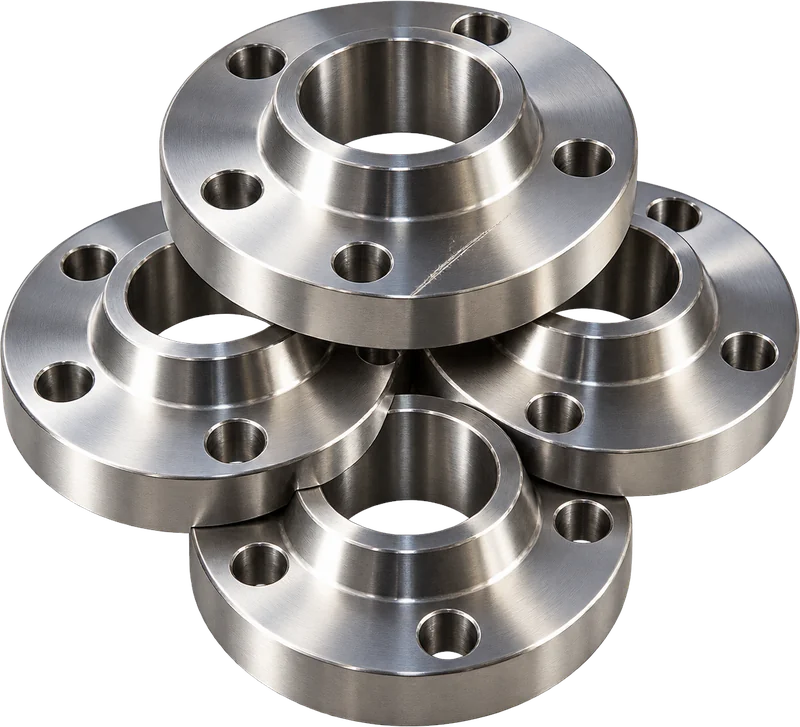
Pieces on the line
Every piece passes a camera, at the speed your line already runs.

Then
AI looks closely
Trained on photos of good and bad pieces from your own line, it spots what does not look right.
And so
Bad ones stopped
Faulty pieces are pushed aside, and every one is logged with a photo and the time.
A normal day, before and after.
Today:A checker starts the shift, fresh.
Every piece is checked, from the first one.
Today:The checker is tired. A scratched batch slips through.
Two scratched pieces pushed aside, with photos.
Today:The customer sends the whole batch back.
You notice line 2 scratches right after its tool change.
What changes.
Every piece checked, not a sample.
Bad pieces set aside before they are packed.
A daily view of defects by machine, shift and product.
Once it runs, you can also…
- 1
Find which machine or shift makes the most defects.
- 2
Show customers a photo record of every piece you shipped.
- 3
Count pieces on the line without anyone counting.
Works with what you already use
- Your existing cameras, or simple new ones
- Line sensors and PLCs
- Your quality records
- Excel reports
Not on the list? Tell us what you use. We work on the systems you already have.
Questions people ask
Do we need special cameras?
Often the cameras you already have are enough. If not, we suggest simple ones that suit your line and its lighting.
How does it learn what a defect looks like?
We collect photos of good and bad pieces from your own line and train it on them, with your quality team checking the results.
Will it slow the line down?
No. It checks each piece as it passes, at the speed the line already runs.
More we can take off your plate.
Tell us the job you would hand over first.
Book a free call with one of our engineers. Tell us what slows your team down, and we will show you what could change, and how it would feel.
- Free, 30 minutes
- About the work that slows your team down
- You leave with ideas you can use